

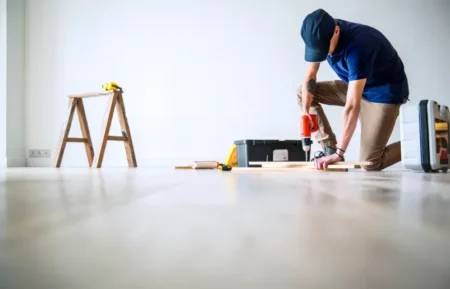
High-traffic areas such as entryways, kitchens, hallways, and living rooms experience more wear than other parts of the home. Dirt, moisture, furniture movement, pets, and constant foot traffic can quickly damage flooring that is not designed for daily use.
The best flooring for these spaces should be durable, easy to clean, and suitable for the conditions in the room. Appearance still matters, but practical factors such as water resistance, maintenance, and repair costs should guide the final decision.
Consider How the Room Is Used
Start by thinking about the amount of foot traffic and the type of activity the room receives. A busy entryway needs flooring that can handle dirt, wet shoes, and frequent cleaning, while a living room may require better comfort and noise reduction. Kitchens need surfaces that resist spills and stains, and homes with children or pets may benefit from scratch-resistant materials. Choosing flooring based on the room’s actual use can prevent early damage and unnecessary replacement.
Choose Durable Flooring Materials
Luxury vinyl, porcelain tile, laminate, and engineered hardwood are common options for high-traffic areas. Luxury vinyl is water-resistant, comfortable underfoot, and available in realistic wood and stone designs. Porcelain tile is extremely durable and works well in kitchens, bathrooms, and entryways. Laminate offers good scratch resistance at a lower price, while engineered hardwood provides the appearance of natural wood with better stability than solid hardwood.
Pay Attention to Water Resistance
Moisture can damage many types of flooring, especially in kitchens, mudrooms, and entryways. Water-resistant or waterproof flooring is usually a safer choice for these locations. Vinyl and porcelain tile handle spills well, while laminate products vary in their moisture protection. Hardwood can be used in some busy rooms, but standing water should be removed quickly. Always check the manufacturer’s instructions because water resistance differs between products.
Think About Cleaning and Maintenance
High-traffic flooring needs regular cleaning, so maintenance should be simple. Smooth surfaces such as vinyl, laminate, and tile are easy to sweep and mop. Hardwood may require special cleaning products and occasional refinishing. Light-colored floors can show dirt, while very dark surfaces often reveal dust and scratches. Medium tones and patterned designs usually hide everyday marks better and may help the floor look cleaner between routine cleanings.
Check Scratch and Dent Resistance
Furniture, pet claws, shoes, and dropped objects can leave visible damage on softer flooring. Porcelain tile and high-quality laminate usually offer strong scratch resistance, while vinyl can resist many marks but may dent under heavy furniture. Hardwood develops scratches more easily, although some homeowners prefer the natural aging of real wood. Protective pads under furniture and rugs in the busiest areas can extend the life of almost any flooring material.
Compare Comfort and Noise Levels
Durability is important, but the flooring should also feel comfortable. Tile is long-lasting but can feel cold and hard, especially in rooms where people stand for long periods. Vinyl and engineered wood are generally warmer and quieter. Laminate may create more noise unless it is installed with a suitable underlayment. In apartments or multi-level homes, sound reduction may be just as important as resistance to wear.
Set a Realistic Budget
The total cost includes more than the flooring itself. Installation, subfloor preparation, removal of old materials, underlayment, trim, and future repairs can increase the final price. Laminate and vinyl are often budget-friendly, while engineered hardwood and porcelain tile usually cost more. A cheaper material may not save money if it needs replacement sooner, so compare durability and long-term maintenance as well as the initial price.
Final Thoughts
The best flooring for high-traffic areas combines durability, easy maintenance, and a style that suits the home. Vinyl, tile, laminate, and engineered hardwood can all work well when chosen for the right room. Consider moisture, cleaning, comfort, and long-term cost before making a final decision.
FAQ
What is the most durable flooring for busy homes?
Porcelain tile is one of the most durable options. Luxury vinyl and high-quality laminate also perform well in busy households and are often more comfortable underfoot.
Is hardwood suitable for high-traffic areas?
Engineered hardwood can work well, but it may scratch more easily than tile or laminate. Regular cleaning and protective pads can help reduce damage.
What flooring is best for homes with pets?
Scratch-resistant vinyl, laminate, and porcelain tile are practical choices. They are also easier to clean when dealing with pet hair, dirt, or accidents.
Should the same flooring be used throughout the house?
Using the same flooring can create a consistent look, but different rooms may have different needs. Wet areas often require more water-resistant materials.
Picture Credit: Magnific