

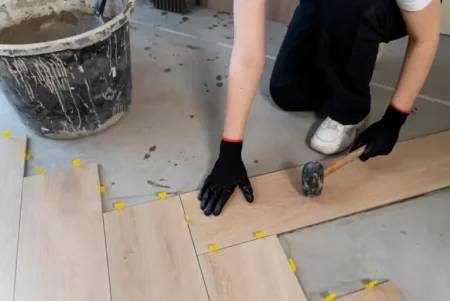
Flooring affects almost everything inside a home. It changes how a space feels, how easy it is to clean, how long it lasts, and even how comfortable it is to walk on every day. Many people choose flooring based only on appearance, but the real difference appears over time. Some materials stay durable for years, while others start wearing down quickly depending on moisture, traffic, and daily use. Choosing the right floor is less about trends and more about understanding how the material behaves in real conditions.
Hardwood Flooring Natural Look And Long Term Value
Hardwood is one of the most respected flooring materials because of its durability and natural appearance. Real wood creates warmth and texture that synthetic materials often try to imitate. It can also increase property value because it is considered a premium option.
The biggest advantage is longevity. High-quality hardwood can last for decades and even be refinished multiple times. However, it is sensitive to moisture and temperature changes. In humid environments or rooms with water exposure, wood may expand, warp, or develop gaps over time.
Laminate Flooring Affordable And Practical
Laminate became popular because it offers the look of wood at a lower price. It consists of layered materials with a printed surface protected by a durable top coating.
One of its main advantages is resistance to scratches and everyday wear. It is also easier to install and maintain compared to natural wood. The downside is that laminate cannot usually be refinished. Once the surface is damaged deeply, replacement is often the only solution. Lower-quality laminate may also sound hollow or feel less stable underfoot.
Vinyl Flooring Water Resistance And Versatility
Modern vinyl flooring has improved significantly in both appearance and durability. It is highly resistant to moisture, which makes it a strong option for kitchens, bathrooms, and basements.
Vinyl is softer underfoot compared to tile and often quieter to walk on. It is also easier to maintain because water and stains do not penetrate the surface easily. However, lower-end vinyl may fade or dent over time, especially under heavy furniture or direct sunlight.
Tile Flooring Strength And Moisture Protection
Tile is one of the most durable flooring options available. Ceramic and porcelain tiles resist water, stains, and heavy wear extremely well. This makes them ideal for areas with high moisture or frequent cleaning.
The main drawback is hardness. Tile floors can feel cold and less comfortable for long periods of standing. They also require proper installation because uneven surfaces or poor grout work can lead to cracking over time.
Carpet Comfort And Noise Reduction
Carpet creates a soft and warm environment that many people prefer in bedrooms or living areas. It reduces noise and provides comfort underfoot, especially in colder climates.
At the same time, carpet traps dust, allergens, and moisture more easily than hard surfaces. It requires regular cleaning and may wear down faster in high-traffic areas. For people with allergies or pets, maintenance becomes especially important.
How To Choose Flooring Based On Lifestyle
The best flooring depends on how the space is used. Homes with children or pets often need materials that resist scratches and moisture. Busy households benefit from low-maintenance surfaces that are easy to clean.
Comfort also matters. Some people prioritize warmth and softness, while others focus on durability and long-term performance. Flooring should support daily life instead of constantly requiring attention.
What The Right Flooring Feels Like
Good flooring becomes almost invisible in the best way. It supports the space naturally, feels comfortable to live on, and handles everyday use without constant concern.
When the material matches the environment and lifestyle, the home feels more stable and easier to maintain. That balance between durability, comfort, and practicality is what defines a truly good flooring choice.
Picture Credit: Magnific