

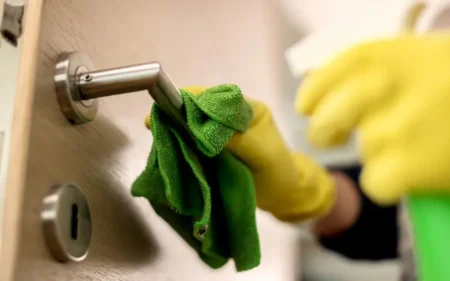
Most people clean the areas they see every day. Floors are vacuumed, countertops are wiped, and bathrooms receive regular attention. Yet many homes still feel dusty or less clean than expected. The reason is simple: some of the dirtiest places in a house are often the ones people rarely think about. Over time, these overlooked areas become collection points for dust, allergens, moisture, and bacteria that affect the entire indoor environment.
Why Dirt Accumulates In Unexpected Places
Dust does not simply settle on visible surfaces. Air movement constantly carries particles throughout the home. Every time a door opens, a fan runs, or the HVAC system circulates air, microscopic debris moves from room to room.
Because of this process, dirt often accumulates in locations that seem unrelated to everyday activity.
Air Vents And Returns Collect More Than Dust
Ventilation systems are designed to move air efficiently, but they also collect airborne particles. Dust, pet hair, pollen, and fibers gradually build up around vents and air returns.
When these areas are ignored, contaminants continue circulating throughout the home. This not only affects cleanliness but can also influence indoor air quality.
Behind Appliances Is A Forgotten Cleaning Zone
Refrigerators, washing machines, dryers, and ovens often remain in the same position for years. During that time, dust, crumbs, grease, and debris accumulate in hidden spaces behind and underneath them.
These areas can become surprisingly dirty because they are rarely inspected during routine cleaning.
Ceiling Fans Spread What They Collect
Ceiling fans are excellent at moving air, but they also gather dust continuously. When blades become coated, the fan begins redistributing those particles throughout the room each time it operates.
Many homeowners do not notice this buildup until a thick layer has already formed.
Baseboards Quietly Gather Dust
Baseboards are often overlooked because they sit below eye level. However, they collect dust, pet hair, and debris from daily household activity.
When neglected for long periods, buildup becomes much more noticeable and harder to remove.
Upholstered Furniture Holds More Than People Realize
Sofas, chairs, and mattresses act like large filters inside the home. They trap dust, allergens, skin cells, and other particles deep within their fibers.
Even homes that appear clean may contain significant contamination hidden inside soft furnishings that are rarely deep-cleaned.
Window Tracks Are Surprisingly Dirty
Window tracks collect outdoor dust, pollen, moisture, and insects throughout the year. Because these spaces are narrow and difficult to access, they are often skipped during regular cleaning routines.
Over time, debris accumulates and may even affect how windows operate.
Under Furniture Is Not Empty Space
Large furniture pieces create hidden zones where dust gathers undisturbed. Beds, sofas, cabinets, and dressers often conceal significant amounts of debris that remain untouched for months.
These areas contribute more to overall household dust levels than many people realize.
What A Truly Clean Home Looks Like
A genuinely clean home is not defined only by spotless countertops or freshly vacuumed floors. It includes attention to the hidden spaces that influence air quality, comfort, and overall cleanliness.
When overlooked areas receive regular maintenance, dust levels decrease, rooms feel fresher, and the entire home becomes easier to keep clean over the long term. The difference may not always be visible immediately, but it is something people notice every day through the way their home feels.
Picture Credit: Magnific