

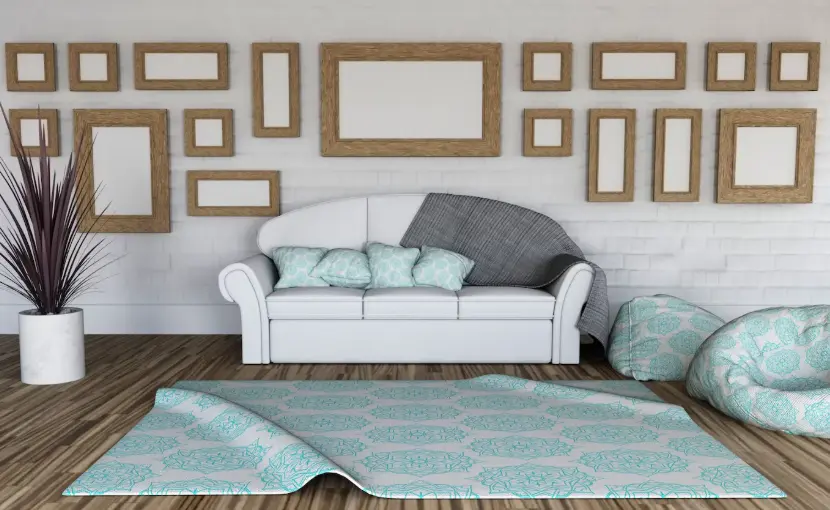
Rugs are more than floor decorations. They change comfort, acoustics, warmth, and how your feet feel when you walk. A good rug can make a space feel intentional instead of unfinished, and it can protect floors too. The trick isn’t just picking something that looks nice. It’s picking the right rug for the right room and use.
How A Rug Anchors A Living Room
In living rooms, rugs do a surprising amount of work. They define seating areas, soften echo, and make furniture feel connected instead of floating. The ideal living-room rug is large enough to fit at least the front legs of the sofa and chairs. That way everything feels part of one space rather than disconnected pieces.
As for material, wool and densely woven synthetics are workhorses here. They resist traffic and hide light wear better than thinner rugs. If you have pets or kids, look for patterns and mid-tones that don’t show every speck.
Bedrooms Need Softness Underfoot
Bedrooms are where comfort counts most. Stepping onto a cold floor first thing in the morning is a small annoyance that adds up. A soft, medium-pile rug beside or under the bed changes how mornings feel. In a queen- or king-size room, a rug that extends at least 18–24 inches beyond each side of the bed usually looks balanced.
Materials like wool, cotton blends, or soft synthetics feel pleasant with bare feet. Plush fibers are nice, but keep in mind they can show indentations from furniture more quickly than flatter weaves.
Dining Rooms Are About Protection And Proportion
Rugs in dining rooms serve two purposes: they protect the floor from chairs scooting and define the eating area. The rule of thumb here is size. A rug should extend far enough that chairs stay on it even when pulled out. Too small and every sit-down meal looks awkward.
Flat-woven options work best here since chair legs press down repeatedly. Wool, jute, or low-profile synthetics clean easier after dropped crumbs and spills. Patterns can help mask small stains between deep cleanings.
Hallways And Entrances Need Hardworking Rugs
Entryways and hallways get intense traffic. These are spots where durability matters above all. Look for low-pile, tightly woven rugs that handle dirt without showing it. Darker tones and woven patterns hide footprints and accelerate wear less than plush options.
Materials like indoor/outdoor synthetics or blends designed for traffic are smart wagers. They clean easily and handle abrupt weather changes at the doorway.
Bathrooms Benefit From Water-Friendly Rugs
Bathrooms need rugs that can stand up to moisture and frequent washing. Cotton and quick-dry synthetics are ideal here. Keep them small enough to dry quickly, and choose a backing that doesn’t trap water against the floor. A plush bathroom rug feels nice, but only if it doesn’t stay wet between uses. Quick-drain designs help with both comfort and cleanliness.
Kids’ Rooms Demand Play-Friendly Choices
In kids’ rooms, rugs are about softness, safety, and easy care. Stains happen. Spills happen. Frequent vacuuming and occasional washing will be part of the routine. Choose rugs with tighter weaves and shorter piles for easier cleaning. Materials like cotton, wool blends, or kid-friendly synthetics keep things practical without sacrificing comfort.
Bright colors and playful patterns also help distract from inevitable marks and wear.
Outdoor Rugs Expand Living Space Naturally
Porches, patios, and balconies become more inviting with outdoor rugs that handle sun and weather without fading. These are usually synthetics designed for moisture and heavy use. They visually extend your indoor space outward and make seating areas feel more like purposeful rooms rather than bare concrete or wood.
Material Choices Matter More Than Color
Material determines how a rug performs.
Wool feels warm and resists crushing, but it costs more. Synthetics are often easier to clean. Cotton is soft and washable, but wears faster in high traffic areas. Jute and natural fibers feel organic and textured, but they can be rough underfoot and don’t love moisture.
Choose material based on use, not just looks.
Patterns And Colors Help Hide Life
Light, solid-color rugs show every crumb, every shadow. Patterns and mid-tones hide day-to-day use better without looking messy. You still want a palette that fits your room’s feel, but choosing a rug that hides life instead of spotlighting it lowers stress about maintenance.
Layering Rugs Adds Flexibility
In larger spaces or open plans, layering a smaller rug over a larger neutral base can create zones without permanent walls. This works particularly well in living areas that double as workspaces.
Rug layering also lets you mix textures — a flat weave under a plush centerpiece, for example — to give depth without clutter.
A Rug Should Feel Like Part Of The Room
The right rug doesn’t demand attention. It supports the room. It makes footsteps softer, corners calmer, and spaces feel connected. When you choose with purpose — room function, material, size, and daily life in mind — cleaning and maintenance become secondary to comfort.
Good rugs don’t just look good. They make the places you use every day feel more usable.
Picture Credit: Freepik